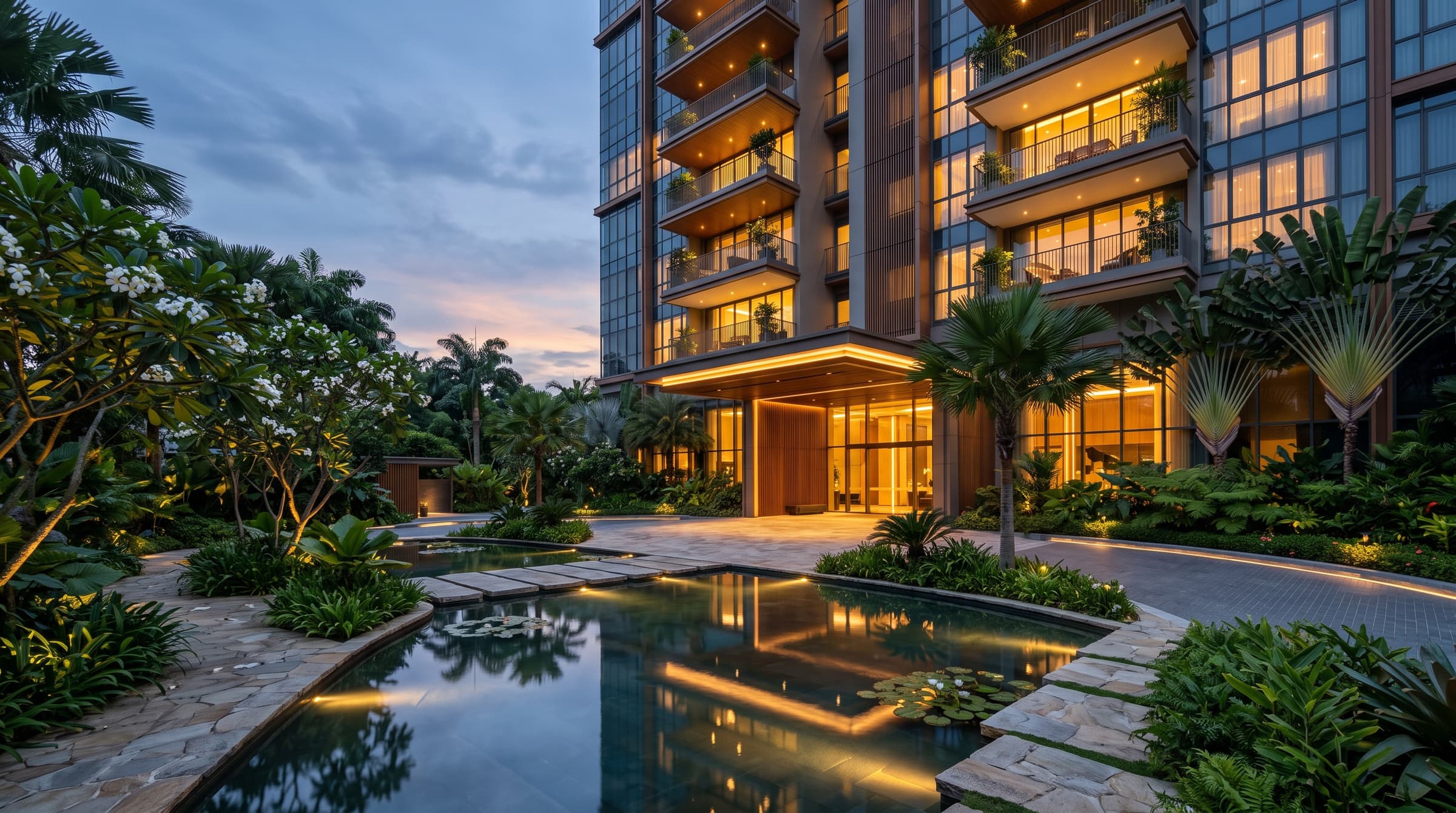
Revamping Your Space: Creative Home Design Inspirations for Every Corner

Introduction & Background
Transforming your home into a personalized sanctuary is more than just a trend. It is a reflection of your identity, lifestyle, and aspirations. Whether you are moving into a new space or simply looking to refresh your surroundings, creative home design offers endless possibilities to elevate every corner of your living environment. With the rise of minimalist aesthetics, sustainable materials, and multifunctional layouts, today’s homeowners have more tools than ever to craft spaces that are both beautiful and functional. Revamping your space is not just about visual appeal. It is about creating harmony, enhancing comfort, and fostering a sense of well-being in your daily life.
Concept & Overview
Creative home design is the art of reimagining and reorganizing your living space to align with your needs while reflecting your personal style. It goes beyond traditional decorating by integrating innovative ideas, smart storage solutions, and thoughtful layouts that maximize both form and function. At its core, this approach emphasizes intentionality. Every piece of furniture, color choice, and decorative element should serve a purpose, whether practical or emotional. From small apartments to sprawling homes, the principles of creative design can be applied universally, ensuring that no corner is overlooked. The key lies in balancing creativity with functionality, making sure that beauty and utility coexist seamlessly.
Key Features & Highlights
- Multifunctional Furniture: Pieces that serve dual purposes, such as sofa beds, storage ottomans, or extendable dining tables, help optimize limited space while adding versatility.
- Sustainable Materials: Choosing eco-friendly options like reclaimed wood, bamboo, or recycled metals not only reduces environmental impact but also introduces natural textures and earthy tones into your decor.
- Smart Lighting: Layered lighting, combining ambient, task, and accent lights, creates depth and ambiance, allowing you to adjust the mood of a room to suit different activities and times of day.
- Bold Color Accents: While neutral bases provide a timeless backdrop, strategic use of vibrant colors in accessories, artwork, or feature walls can inject energy and personality into any space.
- Vertical Space Utilization: Shelves, wall-mounted storage, and tall bookcases draw the eye upward, making rooms feel larger while providing additional storage without cluttering floor space.
- Personalized Artwork: Custom prints, family photos, or DIY projects add a unique touch that transforms generic rooms into meaningful living spaces filled with memories and stories.
- Open Floor Plans: Breaking down walls or using furniture arrangements to define zones, such as a living area separated from a dining space by a bookshelf, fosters a sense of openness and flow.
Frequently Asked Questions / Pros & Cons
What are the first steps to revamping a home?
Start by assessing your current space and identifying what works and what does not. Take measurements, note natural light sources, and consider your lifestyle needs. Then, set a budget and create a vision board or mood board to guide your design choices. Prioritize one room or area at a time to avoid feeling overwhelmed.
Is it expensive to redesign a home?
While some high-end materials and custom furniture can be costly, revamping your space does not have to break the bank. Focus on affordable updates like repainting walls, rearranging furniture, or shopping secondhand for unique finds. Small changes, such as updating hardware or adding removable wallpaper, can make a significant impact without a hefty price tag.
How can I make a small space feel larger?
Use light colors on walls and floors to create an airy feel. Mirrors can reflect light and give the illusion of more space. Opt for furniture with exposed legs to allow light to pass underneath. Keep clutter to a minimum by utilizing vertical storage and choosing multipurpose pieces. Avoid heavy drapes and instead use sheer curtains to maintain an open, unobstructed look.
Are open floor plans suitable for all homes?
Open floor plans work well in modern homes and those with ample square footage. However, they may not be ideal for everyone. Consider your family’s lifestyle, noise levels, and need for privacy. If you prefer defined spaces, use room dividers, rugs, or furniture to create natural separations without closing off the area completely.
What role does lighting play in home design?
Lighting is one of the most powerful tools in design. It can highlight architectural features, set the mood, and even alter the perception of space. A well-lit room feels warm and inviting, while poor lighting can make even the most stylish room feel dull. Incorporate a mix of overhead lights, table lamps, floor lamps, and under-cabinet lighting to achieve depth and functionality.
Practical Guidance & Solutions
Revamping your space should be an exciting journey, not a daunting task. Begin by decluttering and removing items that no longer serve you. This creates a blank canvas to work with and helps you visualize new possibilities. Next, focus on the focal points of each room. In the living room, this might be the fireplace or a large window. In the bedroom, it could be the bed or a statement headboard. Use these elements as anchors around which you build your design.
When selecting a color palette, consider the psychological effects of different hues. Soft blues and greens promote calmness, making them ideal for bedrooms, while warm tones like orange or yellow can energize a kitchen or workspace. If you are hesitant to commit to bold colors, start with accessories like cushions, throws, or rugs that can be easily swapped out.
For those working with limited square footage, multifunctional furniture is a game changer. A Murphy bed that folds into the wall, for example, frees up daytime floor space, while a nesting coffee table can expand when needed and tuck away when not in use. Don’t overlook the power of textiles either. Layering rugs, curtains, and bedding adds texture and warmth while tying a room’s design together.
Incorporate greenery to bring life and freshness into your home. Indoor plants not only improve air quality but also add a natural element that softens hard surfaces and brightens up corners. If you lack a green thumb, opt for low-maintenance plants like snake plants, pothos, or succulents. For outdoor spaces, consider vertical gardens or container planting to maximize space.
Finally, do not underestimate the impact of personal touches. Displaying travel souvenirs, heirlooms, or handmade crafts infuses your space with character and tells your story. Even small details like scented candles, a favorite book collection, or a well-loved chair can make a house feel like a home.
Conclusion
Revamping your space is a rewarding endeavor that goes beyond mere aesthetics. It is an opportunity to redefine how you live, work, and relax within the walls of your home. By embracing creativity, intentionality, and smart design choices, you can transform even the smallest corner into a functional and inspiring haven. Remember, the best designs evolve with you, so allow your space to grow and adapt as your needs and tastes change over time. Whether you are drawn to minimalist elegance, cozy rustic charm, or bold contemporary styles, the key is to create a home that feels uniquely yours. Start small, stay inspired, and enjoy the process of making your house truly feel like home.