2025’s Hottest Home Decoration Styles That’ll Blow Your Mind

Introduction & Background
As we step into 2025, the world of home decoration is undergoing a vibrant transformation, blending creativity, technology, and sustainability in ways we never imagined. Homeowners today are not just looking for stylish spaces but also functional, eco-friendly, and deeply personal interiors that reflect their values and lifestyles. The hottest home decoration styles of 2025 are shaping up to be a celebration of individuality, innovation, and well-being, marking a departure from generic trends to embrace more meaningful and immersive design experiences. Whether you are a minimalist at heart or a maximalist enthusiast, this year’s trends promise to inspire and elevate your living space in extraordinary ways.
Concept & Overview
The core idea behind 2025’s home decoration styles revolves around three pillars: personalization, sustainability, and technology integration. Homeowners are increasingly seeking designs that tell their unique stories while minimizing environmental impact and leveraging smart solutions for convenience and efficiency. These trends are not just about aesthetics but about creating environments that nurture comfort, productivity, and joy. From biophilic design that reconnects us with nature to modular furniture that adapts to changing needs, the focus is on crafting spaces that are as functional as they are beautiful. The overarching theme is flexibility, allowing your home to evolve with your lifestyle without compromising on style or sustainability.
Key Features & Highlights
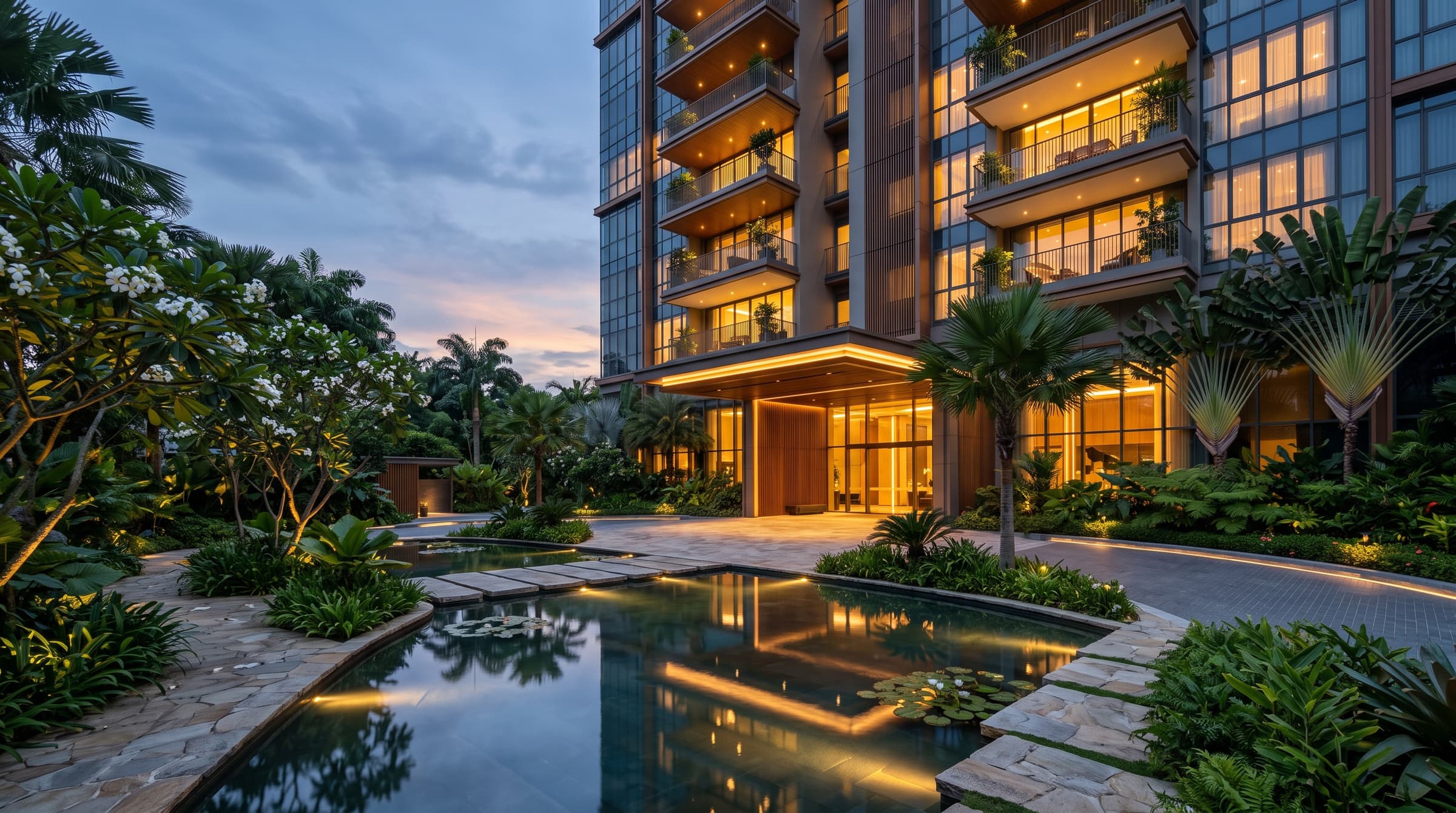
- Biophilic Design: Bringing nature indoors with living walls, indoor plants, and natural materials like wood, stone, and bamboo. Expect to see more green roofs, vertical gardens, and even furniture crafted from reclaimed wood or recycled materials.
- Smart Home Integration: Homes in 2025 are smarter than ever, with AI-powered lighting, voice-controlled climate systems, and automated window treatments. These features not only enhance convenience but also improve energy efficiency.
- Modular & Multi-Functional Furniture: Furniture that adapts to your needs is a major trend. Think sofas that convert into beds, tables with expandable surfaces, and storage units that double as room dividers.
- Minimalist Maximalism: A fusion of clean lines and bold, eclectic accents. This style embraces minimalist layouts but incorporates vibrant colors, textures, and statement pieces that reflect your personality.
- Sustainable & Upcycled Decor: From furniture made of recycled plastics to decor items crafted from upcycled textiles, sustainability is at the forefront. Look for brands that prioritize ethical sourcing and zero-waste production.
- Textured Surfaces: Walls and floors are getting a tactile upgrade with materials like lime plaster, clay render, and 3D-printed textures. These surfaces add depth and warmth to any room.
- Curved Lines & Organic Shapes: Say goodbye to rigid, straight-edged furniture. Rounded sofas, arched doorways, and oval mirrors are dominating interiors, creating a softer, more inviting atmosphere.
- Retro Futurism: A nostalgic yet futuristic aesthetic inspired by the design visions of the 1960s and 1970s. Think metallic finishes, geometric patterns, and bold color palettes like burnt orange and teal.
- Wellness-Centric Spaces: Home gyms, meditation nooks, and spa-like bathrooms are becoming essential. Design elements that promote relaxation and well-being, such as aromatherapy diffusers and circadian lighting, are in high demand.
- Digital Art & Interactive Walls: Digital art frames and interactive walls that change based on mood or time of day are adding a dynamic, futuristic touch to modern homes.
Frequently Asked Questions / Pros & Cons
What are the benefits of biophilic design in a home?
Biophilic design has been proven to reduce stress, improve air quality, and boost mood and productivity. By incorporating natural elements, you create a calming environment that fosters a deeper connection with nature, even in urban settings.
Is smart home technology difficult to install and maintain?
While the initial setup can be complex, many smart home systems today are designed for user-friendly installation. Maintenance is generally low, especially with cloud-based updates and remote troubleshooting options. The long-term convenience and energy savings often outweigh the initial effort.
How can I incorporate minimalist maximalism without overwhelming my space?
Start with a neutral base and add bold accents gradually. Choose one or two statement pieces, such as a vibrant rug or a piece of artwork, and balance them with simple, clean furniture. The key is to create focal points without cluttering the room.
Are sustainable decor options more expensive than traditional ones?
While some sustainable products may have a higher upfront cost, they often last longer and require less maintenance, making them cost-effective in the long run. Additionally, the ethical and environmental benefits are invaluable for many homeowners.
What are the drawbacks of using textured surfaces in a home?
Textured surfaces, while visually appealing, can be more difficult to clean and maintain. Dust and allergens may accumulate more easily in crevices, so regular cleaning is essential. Additionally, highly textured walls or floors may not suit every interior style or lifestyle.
How do I balance retro futurism with modern functionality in a home?
Focus on blending retro-inspired pieces with contemporary materials and technology. For example, pair a vintage-style sofa with smart lighting and a minimalist coffee table. The goal is to create a cohesive look that feels both nostalgic and forward-thinking.
Practical Guidance & Solutions
Adopting the hottest home decoration styles of 2025 doesn’t have to be overwhelming. Start by identifying which trends resonate most with your lifestyle and values. If sustainability is a priority, begin with small changes like upcycling old furniture or choosing decor made from recycled materials. For those interested in smart home integration, research user-friendly systems that align with your needs and budget.
When incorporating bold colors or patterns, use the 60-30-10 rule to maintain balance: 60 percent neutral tones, 30 percent secondary hues, and 10 percent accent colors. This ensures your space feels cohesive without feeling overly busy.
For biophilic design, start with easy wins like adding a few indoor plants or incorporating natural textures like linen curtains or jute rugs. If you’re ready to make a bigger statement, consider installing a living wall or using reclaimed wood for accent walls.
If you’re drawn to modular furniture, invest in pieces that serve multiple purposes, such as a storage ottoman that doubles as seating or a dining table that expands for guests. These solutions are perfect for small spaces or homes that need to adapt to changing needs.
Finally, don’t be afraid to mix and match styles. The beauty of 2025’s trends lies in their flexibility. Whether you’re blending retro futurism with minimalism or pairing smart technology with wellness-centric spaces, the key is to create a home that feels uniquely yours.
Conclusion
2025’s hottest home decoration styles are all about creating spaces that are as unique and dynamic as the people who inhabit them. From the calming embrace of biophilic design to the cutting-edge convenience of smart homes, these trends offer something for everyone, regardless of style or budget. The emphasis on sustainability, personalization, and innovation ensures that your home will not only look incredible but also feel deeply connected to your values and lifestyle. As you embark on your decoration journey, remember that the best spaces are those that tell your story, inspire joy, and adapt to your ever-changing needs. So go ahead, experiment, and transform your home into a sanctuary that truly blows your mind.