Coconut Fiber Products: Sustainable Solutions for Agriculture and Industrial Applications
The Growing Demand for Natural Coconut Fiber Products
The global demand for sustainable and environmentally responsible materials continues to increase across various industries. Businesses are exploring natural alternatives that offer practical performance while supporting more efficient resource utilization. Coconut fiber has become an increasingly valuable material because it can be processed into different products for agricultural, landscaping, construction, and industrial applications.
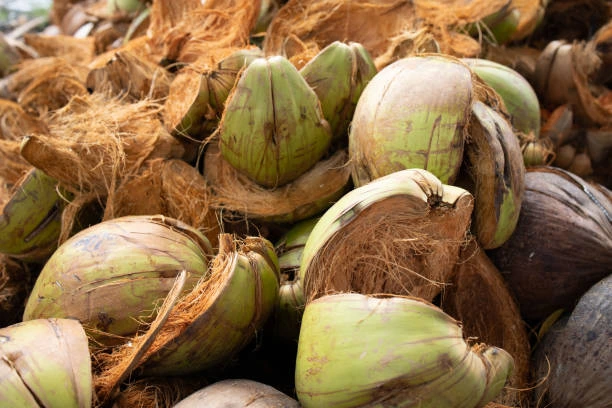
Coconut fiber is obtained from the outer husk of coconuts. Through specialized processing, the husks are separated into fibers that can be used to manufacture products with different shapes, textures, and functions. This process also creates economic value from coconut materials that might otherwise be treated as agricultural waste.
Coconut fiber products are appreciated for their durability, natural composition, and versatility. Depending on the manufacturing process, they can be used for erosion control, gardening, landscaping, packaging, and various other applications. As international markets continue to seek alternative natural materials, the coconut fiber industry offers promising opportunities for manufacturers, distributors, and importers.
Understanding Coconut Mesh and Its Applications
Coconut mesh is a natural geotextile material manufactured by weaving or connecting coconut fibers into a net-like structure. It is commonly used in landscaping, soil protection, erosion control, and environmental restoration projects.
One of its primary applications is supporting soil stabilization. When installed on exposed ground, coconut mesh helps protect the soil surface from direct rainfall and water movement. Its open structure allows vegetation to grow through the material while helping maintain soil coverage.
This makes coconut mesh useful for roadside landscaping, embankments, slopes, riverbanks, and construction sites. It is also applied in rehabilitation projects where natural vegetation is encouraged to establish over previously exposed surfaces.
Another advantage is its natural composition. Unlike some synthetic alternatives, coconut fiber mesh is biodegradable under suitable environmental conditions. As it gradually decomposes, it becomes part of the surrounding organic material while vegetation continues developing.
Businesses involved in landscaping, infrastructure development, and environmental restoration often look for reliable manufacturers that can provide consistent mesh dimensions, fiber quality, and product specifications.
What to Consider When Choosing a Coconut Mesh Supplier
Finding a suitable coconut mesh supplier is an important step for companies that require natural erosion-control materials for commercial or infrastructure projects.
Product consistency should be one of the main considerations. Buyers should examine the mesh construction, fiber thickness, opening dimensions, weight, and overall durability. These specifications can influence how the product performs in different environmental conditions.
Manufacturing capacity is another important factor, particularly for businesses handling large-scale projects. A supplier should be able to provide information about available quantities, production schedules, packaging, and shipping arrangements.
Quality control also deserves attention. Consistent weaving and properly prepared coconut fibers help ensure that the finished mesh meets the intended application requirements.
In addition, communication plays an important role in international purchasing. Clear product information, responsive customer service, and reliable documentation can make the sourcing process more efficient for importers and distributors.
Different Uses of Coconut Fiber in Modern Industries
Coconut fiber has applications that extend beyond erosion-control products. Its physical characteristics make it suitable for various industries that require natural and versatile materials.
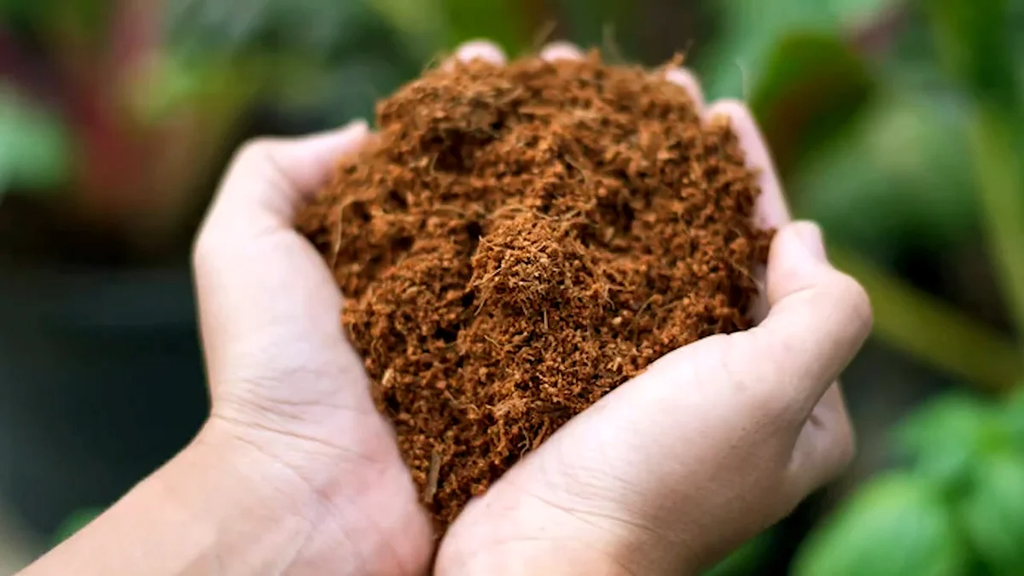
In agriculture and horticulture, coconut fibers are used in growing media, plant support products, and landscaping materials. They can also be processed into mats and other products used for protecting soil surfaces.
The construction and infrastructure sectors use coconut fiber products in selected environmental protection projects. Natural fiber materials can be incorporated into landscaping systems to help manage exposed soil and support vegetation establishment.
In the gardening industry, coconut fibers are commonly used in plant liners, hanging basket liners, and decorative gardening products. Their natural appearance makes them suitable for businesses offering environmentally inspired gardening solutions.
Coconut fibers are also used in manufacturing applications, including certain furniture components, padding materials, and natural fiber-based products. This wide range of applications creates opportunities for businesses looking to expand their product selections.
Why Indonesia Is an Important Source of Coconut Fiber
Indonesia has a well-established coconut industry supported by extensive agricultural activities across different regions. Coconut production creates opportunities for processing businesses to manufacture products from various parts of the coconut, including its outer husk.
The availability of coconut raw materials supports the development of different coconut fiber products for domestic and international markets. Manufacturers can process these materials into mesh, ropes, mats, coir-based growing media, and other specialized products.
For international buyers, sourcing from Indonesia can provide access to a diverse range of coconut-based materials. However, evaluating manufacturers based on processing standards, product specifications, and production capabilities remains essential.
Export experience is another useful consideration. Businesses purchasing internationally should look for suppliers who understand packaging requirements, shipping documentation, and communication with overseas customers.
Finding a Reliable Coconut Fiber Supplier in Indonesia
Businesses looking to purchase natural fiber products in bulk should carefully evaluate their sourcing options. Choosing a dependable coconut fiber supplier indonesia can help importers and distributors maintain consistent product quality and establish more efficient purchasing arrangements.
One important consideration is the supplier’s product range. Companies with access to different coconut fiber products may be able to support buyers with varying requirements, from erosion-control mesh to other agricultural and industrial materials.
Buyers should also request detailed product specifications. Information about fiber quality, dimensions, weight, packaging, and manufacturing processes helps determine whether a product is appropriate for its intended use.
Production capacity is particularly important for wholesale orders. Suppliers should be able to communicate available quantities and realistic production schedules to help buyers organize their procurement activities.
International shipping arrangements should also be discussed before confirming an order. Proper packaging and clear export documentation can help reduce complications during transportation.
Building a professional relationship with a supplier can provide long-term advantages. Consistent communication and dependable product information help businesses manage repeat purchases and develop stable supply arrangements.
The Environmental Advantages of Coconut Fiber Materials
The use of coconut fiber products supports the utilization of agricultural by-products. Coconut husks can be processed into commercially useful materials instead of being discarded without further application.
Biodegradability is another characteristic that makes certain coconut fiber products attractive for environmental projects. Natural fiber mesh, for example, can gradually break down under suitable conditions while vegetation develops across protected surfaces.
Coconut fiber products can also provide alternatives to selected synthetic materials in applications where natural fibers are appropriate. However, product selection should always consider project requirements, environmental conditions, and expected service life.
As environmental awareness continues to influence purchasing decisions, natural fiber materials are becoming increasingly relevant to businesses seeking more sustainable product options.
Future Opportunities in the Coconut Fiber Industry
The coconut fiber industry continues to offer opportunities for manufacturers, suppliers, and international distributors. Increasing interest in erosion control, sustainable landscaping, natural gardening products, and agricultural materials creates demand for different coconut-based solutions.
Manufacturers that maintain consistent product quality and understand international market requirements can strengthen their position in the global supply chain.
Indonesia has opportunities to contribute to this growing market through improved processing capabilities, product diversification, and stronger international business relationships.
For buyers, working with experienced suppliers can make it easier to source suitable coconut fiber products for different commercial applications. By understanding product specifications and evaluating supplier capabilities, businesses can make more informed purchasing decisions.
Coconut fiber demonstrates how a natural agricultural resource can serve multiple industries while supporting more responsible material utilization. From erosion-control mesh to gardening and industrial applications, its versatility continues to make it a valuable material in modern markets.
Contact Information
Visi Arlion International PVT LTD
WhatsApp: (+62) 812 1233 3590 (Ms. Maria)
Email: [email protected]