Exploring the Benefits of Coconut-Based Growing Media for Modern Agriculture
The Increasing Demand for Sustainable Growing Materials
The agricultural industry continues to evolve as farmers, gardeners, and horticultural businesses look for growing materials that combine practical performance with environmental responsibility. Sustainable agriculture has become an important consideration, encouraging businesses to explore natural resources that can be processed into useful products. Coconut husks are one example of an agricultural resource that offers several possibilities.
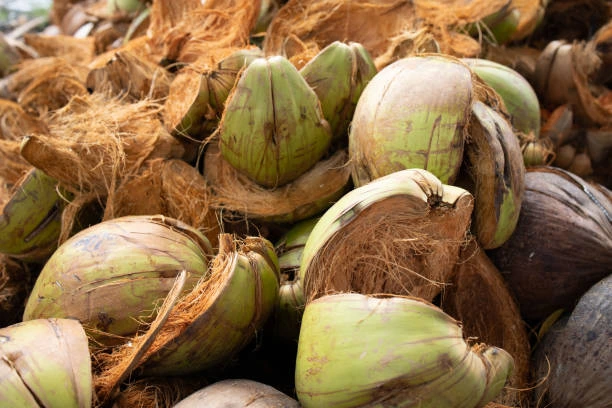
After coconuts are harvested and processed, their husks can be transformed into different materials for agricultural and industrial applications. Rather than allowing these by-products to go unused, manufacturers can process them into growing media that support various cultivation activities.
Coconut-based growing materials are becoming increasingly popular because of their lightweight structure, moisture-management properties, and versatility. They can be used in home gardening, commercial nurseries, greenhouse cultivation, and hydroponic systems. Understanding their characteristics can help growers select suitable products for their planting requirements.
Understanding Coco Coir and Its Agricultural Benefits
One of the most recognized coconut-based materials in horticulture is coco coir. It is produced from coconut husks through processes that separate and prepare the fibers and other usable components. Depending on the manufacturing method, the resulting material can have different textures and compositions.
Its ability to absorb and retain moisture makes it useful for various planting applications. Growing media that maintain appropriate moisture levels can help create a more consistent environment around plant roots. This characteristic is particularly valuable in containers, greenhouse systems, and nursery operations.
Another advantage is its lightweight composition. Compared with many conventional growing materials, coconut-based products can be easier to handle, package, and transport. They can also be combined with compost, perlite, and other ingredients to create growing mixtures for specific plants.
Coconut-based materials are suitable for ornamental plants, vegetables, seedlings, and various horticultural crops. Their versatility allows growers to incorporate them into different cultivation methods depending on their requirements.
However, product preparation and quality control remain important. Processing methods, washing procedures, and buffering treatments can influence the final characteristics of the material. Buyers should consider product specifications before selecting growing media for commercial applications.
The Importance of Moisture Management in Plant Cultivation
Water management plays an essential role in successful plant cultivation. Plants require consistent access to moisture, but excessive water retention can also create unsuitable growing conditions. Therefore, selecting a growing medium with appropriate physical characteristics is important.
Coconut-based growing materials can help manage moisture because their structure allows them to absorb and hold water. At the same time, the physical composition of the material can provide spaces for air movement when properly prepared and used.
These characteristics are useful for container gardening and greenhouse cultivation, where growers often need to maintain controlled growing conditions. They can also be incorporated into different planting mixtures to adjust moisture retention and physical structure.
The ideal growing medium depends on the plant variety, irrigation system, climate, and cultivation method. For this reason, growers should evaluate their requirements before choosing a particular coconut-based product.
What Is Coco Pith?
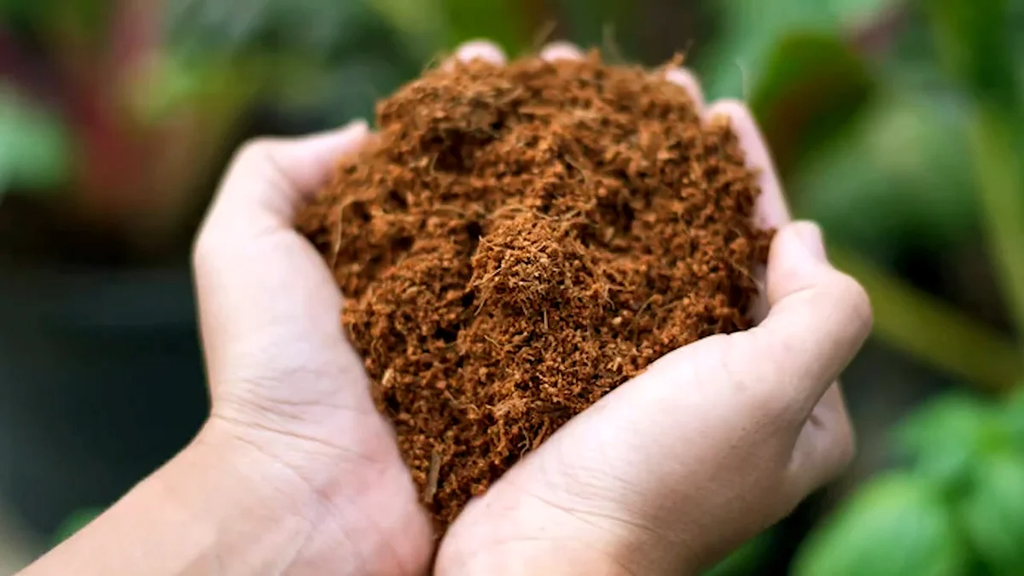
Another important material obtained from coconut husks is coco pith. It consists primarily of fine particles produced during the extraction and processing of coconut fibers. This material is commonly used in horticulture because of its water-absorbing characteristics and suitability for different growing applications.
Its fine texture makes it a useful ingredient in potting mixtures and other planting media. It can help retain moisture around plant roots and provide a suitable environment for seed germination and young plant development.
Coco pith is commonly used in nurseries, greenhouse production, and home gardening. It can also be incorporated into mixtures containing other natural or mineral materials to achieve different growing medium characteristics.
Before use, the material may require hydration and preparation depending on its packaging and processing method. Some products are supplied loose, while others are compressed for easier storage and transportation.
Quality considerations include particle-size distribution, moisture content, electrical conductivity, and salt levels. These specifications help determine whether a particular product is suitable for specific agricultural applications.
Applications in Greenhouses and Commercial Nurseries
Coconut-based growing materials are widely applicable in controlled cultivation environments. Greenhouses, for example, require growing media that allow growers to manage irrigation and provide suitable conditions for plant development.
Vegetable producers can incorporate these materials into growing systems for crops such as tomatoes, cucumbers, peppers, and other horticultural varieties. Their moisture-management properties can support cultivation when combined with appropriate irrigation and nutrient management.
Commercial nurseries also use coconut-based materials for seedling production and ornamental plant cultivation. A suitable growing medium is important during early plant development because it provides the physical environment needed for root establishment.
For home gardeners, these products offer practical options for container plants, indoor gardens, and raised planting beds. Their lightweight characteristics can make gardening activities more convenient, especially when handling multiple containers.
Hydroponic growers may also use selected coconut-based substrates. However, proper drainage, nutrient management, pH, and electrical conductivity should be monitored to maintain suitable growing conditions.
How to Choose High-Quality Coconut Growing Media
Selecting the right growing medium requires more than considering its natural origin. Buyers should evaluate several specifications to ensure that the material matches their intended application.
One important factor is electrical conductivity, which indicates the concentration of soluble salts in the material. Appropriate levels are important for maintaining suitable growing conditions, particularly for sensitive plants.
Particle size is another consideration. Fine particles and larger fibers provide different physical characteristics, affecting moisture retention, aeration, and drainage. The ideal composition depends on the cultivation system and plant requirements.
Moisture content should also be evaluated because it influences product weight, storage, and transportation. Consistent moisture specifications can make inventory planning easier for commercial buyers.
Processing quality is equally important. Washing and buffering procedures can help improve the suitability of coconut-based materials for agricultural use. Buyers should request clear product specifications and quality information from suppliers before purchasing.
Finally, packaging and transportation arrangements should be considered, especially when ordering in bulk or importing products internationally.
Sustainability and the Future of Coconut-Based Products
Sustainable resource utilization is becoming increasingly important across agricultural industries. Manufacturers are exploring ways to transform natural by-products into valuable commercial materials while reducing unnecessary waste.
Coconut husks provide an excellent example of this approach. Different components can be processed into growing media, fibers, and other products that serve agricultural and industrial markets.
Countries with established coconut industries have opportunities to supply these materials to international buyers. Indonesia, in particular, has considerable potential to support the global coconut products market through manufacturing, processing, and distribution.
As awareness of sustainable cultivation continues to grow, demand for versatile coconut-based materials may create additional opportunities for suppliers, wholesalers, agricultural distributors, and horticultural businesses.
Finding a Reliable Coconut Product Supplier
Choosing a reliable supplier is an important step for businesses that require consistent agricultural materials. Product specifications, manufacturing standards, packaging quality, and communication should all be considered when evaluating potential suppliers.
International buyers should pay particular attention to product consistency and shipping arrangements. Clear information about processing methods, moisture content, expansion characteristics, and salt levels can help ensure that purchased materials meet their requirements.
Establishing a professional relationship with an experienced supplier can also make future transactions more efficient. Consistent product information and responsive communication are valuable for businesses purchasing coconut-based growing materials regularly.
With their versatile applications and natural origins, coconut-based growing media continue to offer practical possibilities for modern agriculture. Their use in gardening, greenhouse cultivation, and commercial nurseries demonstrates how coconut processing can create valuable solutions for different growing environments.
Contact Information
Visi Arlion International PVT LTD
WhatsApp: (+62) 812 1233 3590 (Ms. Maria)
Email: [email protected]
Add a clearer supplier-focused closingUse the requested contact formatting exactly