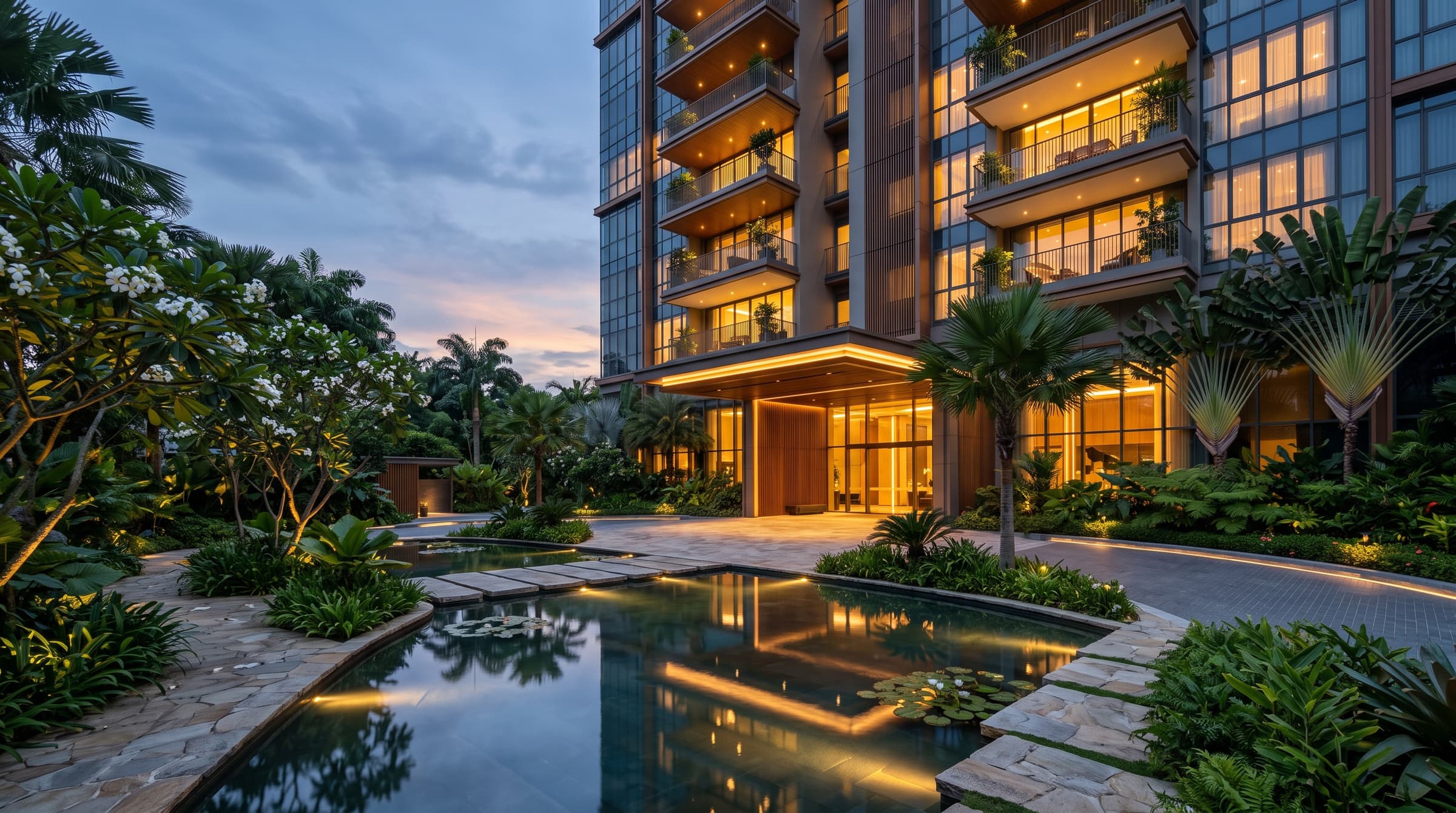
Embracing Tomorrow: 5 Groundbreaking News Home Trends Redefining Modern Living

Introduction & Background
In an era where technology evolves at lightning speed and environmental concerns take center stage, modern living is undergoing a profound transformation. Homeowners and designers alike are reimagining residential spaces to align with sustainability, convenience, and cutting-edge innovation. These shifts are not merely trends but reflections of a deeper societal move towards healthier, smarter, and more adaptable living environments. As we stand on the brink of a new decade, five groundbreaking home trends are emerging, reshaping how we interact with our most personal spaces. From energy-efficient designs to AI-driven interiors, these innovations promise to redefine modern living for generations to come.
Concept & Overview
At the heart of these transformative home trends lies a commitment to merging technology with human-centric design. The modern home is no longer just a shelter; it is an intelligent ecosystem that adapts to the needs of its inhabitants while minimizing its ecological footprint. Sustainability remains a cornerstone, but it is increasingly paired with digital integration, modular flexibility, and wellness-focused elements. This blend of function and foresight is driving architects, builders, and homeowners to adopt solutions that are both futuristic and grounded in practicality. The result is a living space that not only meets today’s demands but anticipates tomorrow’s challenges.
Key Features & Highlights
- Smart Home Integration: Homes are becoming hubs of connectivity, where devices communicate seamlessly to enhance comfort, security, and energy management. From voice-activated assistants to automated lighting and climate control, smart technology is making homes more responsive and efficient.
- Sustainable Materials & Green Building: The use of recycled, biodegradable, and locally sourced materials is rising, reducing waste and carbon footprints. Innovations like self-healing concrete and cross-laminated timber are setting new standards for eco-conscious construction.
- Modular and Adaptable Spaces: Flexible floor plans with movable walls and multi-functional furniture allow homeowners to reconfigure spaces as needs change. This adaptability is particularly valuable in urban areas where square footage comes at a premium.
- Wellness-Centric Design: Biophilic design elements, such as indoor plants, natural lighting, and air-purifying materials, are prioritized to promote mental and physical well-being. Spaces are designed to reduce stress and enhance productivity through thoughtful layouts and materials.
- Energy Independence: Solar panel systems, wind turbines, and battery storage solutions are empowering homeowners to generate and store their own energy. Net-zero homes, which produce as much energy as they consume, are becoming more accessible and affordable.
Frequently Asked Questions / Pros & Cons
What Are the Main Benefits of Smart Home Technology?
Smart home technology offers unparalleled convenience by allowing homeowners to control various systems remotely. Energy savings are a significant advantage, as automated thermostats and lighting adjust based on usage patterns. Enhanced security features, such as smart locks and surveillance cameras, provide peace of mind. Additionally, these systems can learn user preferences over time, making daily routines smoother and more personalized.
Are Sustainable Materials Expensive?
While some sustainable materials may have higher upfront costs, they often lead to long-term savings. For instance, energy-efficient windows and insulation reduce utility bills, while durable materials like reclaimed wood lower maintenance and replacement expenses. Government incentives and rebates for green building practices can also offset initial investments, making sustainability a financially viable choice.
How Do Modular Homes Compare to Traditional Homes in Terms of Durability?
Modular homes are built to meet or exceed the same building codes as traditional homes, ensuring durability and safety. In fact, the controlled factory environment in which they are constructed can result in higher quality control and fewer defects. When properly maintained, modular homes can last just as long as conventional homes, with the added benefit of being easier to modify or expand.
Is Wellness-Centric Design Just a Passing Trend?
Wellness-centric design is rooted in scientific research linking physical and mental health to living environments. Features like improved air quality, natural light, and ergonomic layouts have been shown to reduce stress and boost overall well-being. As awareness of these benefits grows, wellness-focused design is likely to become a permanent fixture in modern architecture rather than a fleeting trend.
Can the Average Homeowner Afford Energy Independence?
While energy independence requires an initial investment, advancements in technology have made it more attainable. Solar panel costs have dropped significantly over the past decade, and financing options, such as leases and loans, are widely available. In many regions, the savings on energy bills can recoup the investment within a few years, making it a cost-effective choice in the long run. Additionally, community solar programs allow renters and homeowners to benefit from renewable energy without installing their own systems.
Practical Guidance & Solutions
For those looking to embrace these trends, the first step is to assess individual needs and priorities. Start small by incorporating smart devices or energy-efficient upgrades, such as LED lighting or smart thermostats. Research local incentives for green building projects to maximize cost savings. When designing a new home or renovating an existing one, consider working with architects and builders who specialize in sustainable and modular construction. Prioritize wellness features like ample natural light and non-toxic materials to create a healthier living environment.
To achieve energy independence, evaluate your home’s energy consumption and explore renewable energy options that suit your climate and budget. Consult with renewable energy experts to determine the best system for your needs, whether it’s solar panels, wind turbines, or a hybrid approach. For modular and adaptable spaces, invest in furniture and storage solutions that offer flexibility, such as foldable walls or multi-purpose furniture. Regularly review and update your home’s technology and systems to stay aligned with evolving innovations.
Conclusion
As we look ahead, the homes of tomorrow will be defined by their ability to adapt, sustain, and inspire. The five trends highlighted in this article represent more than just technological advancements or design aesthetics; they embody a vision of living that is harmonious with both nature and human needs. By embracing smart technology, sustainable materials, modular spaces, wellness design, and energy independence, homeowners can create environments that are not only modern but also mindful of the future. These transformations are not just about building houses; they are about crafting lifestyles that are healthier, more efficient, and deeply connected to the world around us. The future of home living is not a distant dream; it is a reality that is being built today.