Essential Maintenance: A Comprehensive Guide to Commercial Refrigeration System Repair
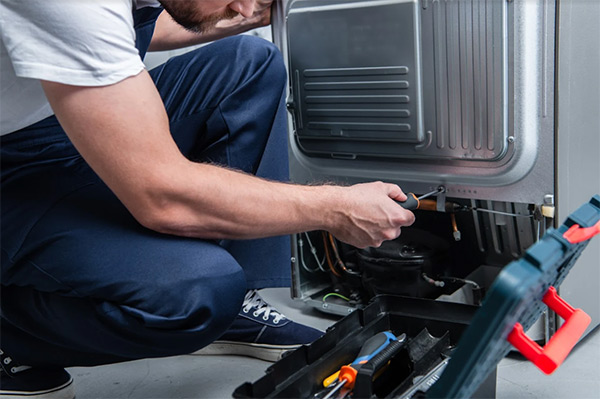
In the fast-paced world of commercial operations, maintaining optimal temperature control is crucial for preserving product quality and ensuring customer satisfaction. Commercial refrigeration systems are indispensable in various industries, including food service, retail, and healthcare. Regular maintenance and timely repairs are vital for these systems’ longevity and efficiency. This guide provides an overview of essential maintenance practices and insights into commercial refrigeration system repair, empowering business owners to keep their systems running smoothly.
Understanding Commercial Refrigeration Systems
Commercial refrigeration systems encompass a range of equipment designed to cool or freeze products for storage and display. These systems vary in complexity, from simple reach-in refrigerators to large walk-in coolers and freezers. Each type is equipped with components such as compressors, evaporators, condensers, and expansion valves, all of which work together to maintain desired temperatures.
Importance of Regular Maintenance
Regular maintenance is essential for the efficient operation of commercial refrigeration systems. Neglecting maintenance can lead to various issues, including:
- Increased Energy Costs: An inefficient system consumes more energy, resulting in higher utility bills.
- Shortened Lifespan: Lack of maintenance can lead to premature system failure, necessitating costly repairs or replacements.
- Product Loss: Malfunctioning refrigeration can compromise product integrity, leading to spoilage and financial loss.
- Regulatory Compliance: Businesses in the food industry must adhere to strict health and safety regulations. Regular maintenance ensures compliance with these standards.
Key Maintenance Practices
1. Regular Inspections
Conducting routine inspections is the cornerstone of effective commercial refrigeration system repair. Business owners should schedule professional inspections at least twice a year. These inspections should include:
- Visual Checks: Inspect the exterior and interior for signs of wear, leaks, or damage.
- Temperature Monitoring: Ensure that temperatures are within acceptable ranges and check calibration.
- Component Functionality: Test critical components, including compressors, fans, and thermostats, to ensure they are operating correctly.
2. Cleaning and Sanitation
Dust, dirt, and debris can accumulate in and around refrigeration systems, obstructing airflow and hindering efficiency. Regular cleaning helps prevent these issues. Key cleaning practices include:
- Coils: Clean condenser and evaporator coils to improve heat exchange efficiency. Dirty coils can significantly impact performance and lead to system failure.
- Fans and Filters: Remove and clean or replace air filters and fans to ensure proper airflow.
- Interior Surfaces: Maintain cleanliness inside refrigeration units to prevent mold and bacteria growth, essential for food safety.
3. Checking Refrigerant Levels
Refrigerant plays a critical role in cooling. Low refrigerant levels can indicate leaks and compromise system efficiency. Regularly check refrigerant levels and perform leak tests to ensure optimal performance. If leaks are detected, timely repairs are essential to prevent further loss and ensure compliance with environmental regulations.
4. Component Maintenance
Commercial refrigeration systems consist of several components that require regular attention. Key areas to focus on include:
- Compressors: These are the heart of refrigeration systems. Regular checks for noise, vibration, or overheating are essential. Ensure that compressors are properly lubricated and functioning optimally.
- Condensate Drain Lines: Clogs in drain lines can lead to water pooling, causing damage and promoting mold growth. Regularly inspect and clean these lines.
- Door Seals: Ensure that door gaskets are intact to maintain temperature control and energy efficiency. Damaged seals can lead to cold air leakage and increased energy costs.
When to Seek Professional Help
While many maintenance tasks can be performed by business owners or staff, some repairs require professional expertise. Signs that it may be time to call in a technician include:
- Unusual Noises: If the system is making strange sounds, it may indicate a malfunctioning component.
- Temperature Fluctuations: Inconsistent temperatures can signal issues with the compressor or thermostat.
- Frost Build-Up: Excessive frost accumulation on evaporator coils can hinder performance and indicate airflow issues.
- Increased Energy Bills: A sudden spike in energy costs without any changes in usage patterns could indicate inefficiencies in the system.
Conclusion
Maintaining a commercial refrigeration system is crucial for ensuring product quality, compliance with regulations, and overall operational efficiency. By adhering to essential maintenance practices and being vigilant about repairs, businesses can prolong the life of their refrigeration systems and minimize costly downtime. Understanding the intricacies of commercial refrigeration system repair and knowing when to seek professional assistance will help business owners protect their investments and maintain a high standard of service. Regular maintenance and timely repairs are not just best practices; they are essential for success in any industry relying on refrigeration.