How Brass Cutting Affects the Quality of Finished Products
Brass cutting is a vital process in various industries, especially those requiring precision components. This process involves shaping brass into specific parts that will be used in everything from electronics to plumbing. While brass is a versatile and durable metal, how it is cut can significantly affect the quality of the finished product.
The Importance of Precision in Brass Cutting
Brass cutting must be done with precision to ensure that the final product meets the required specifications. Any inaccuracies in the cutting process can lead to defects, which can compromise the overall quality and functionality of the part. For instance, small imperfections like burrs or uneven surfaces can affect how the part fits with other components, leading to inefficiencies or even malfunctions.
The tolerance level of brass cutting plays a crucial role in the final product’s quality. A precise cut ensures that the dimensions are within specified limits, which is particularly important in industries like automotive or aerospace, where even minor deviations can lead to significant issues.
Cutting Techniques and Their Impact on Brass Quality
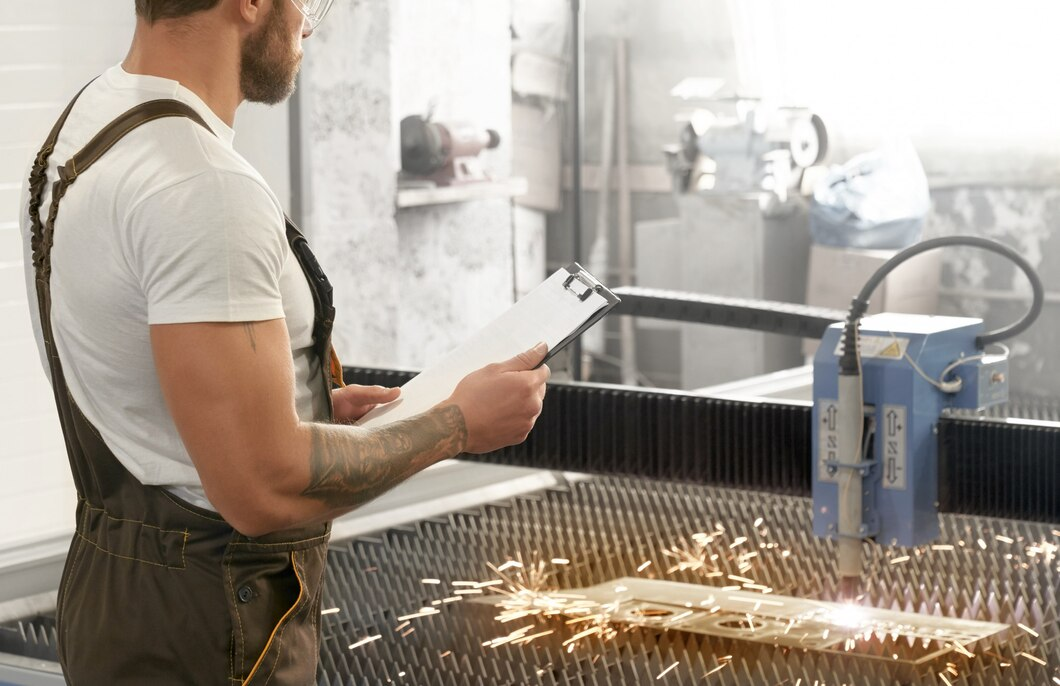
There are several methods used for brass cutting, each with its advantages and challenges. These include saw cutting, laser cutting, and water jet cutting. Each technique can impact the quality of the finished product differently.
Laser cutting, for example, offers a high level of precision and is often used for intricate designs. However, it can cause heat-affected zones that might weaken the brass if not carefully controlled. On the other hand, saw cutting may result in more mechanical stress, which could lead to a rougher finish and more post-cutting work to smooth the edges.
The Role of Brass Composition in Cutting Quality
Not all brass alloys are the same, and this variance can also affect how the material behaves during the cutting process. Brass alloys with a higher copper content tend to be softer, making them easier to cut but potentially more prone to warping or bending during the process.
Brass with higher zinc content, however, is stronger and more resistant to wear but may require more specialized cutting equipment. Understanding the alloy’s specific properties is essential to ensure the cutting process doesn’t compromise its strength or finish quality.
Surface Finish and Its Effect on Final Product Performance
The quality of the brass surface after cutting directly affects the performance of the finished product. A smooth, polished surface ensures better functionality, especially in applications like electrical components, where surface imperfections can interfere with conductivity.
In contrast, a rough or uneven surface could lead to higher friction or less effective sealing when the brass part is used in mechanical assemblies. This is why brass cutting must not only focus on the right dimensions but also ensure that the surface finish meets the required standards for the product’s intended use.
Post-Cutting Processes and Their Influence on Quality
After brass is cut, additional processes like deburring, polishing, or coating are often necessary to ensure the finished product is of the highest quality. Deburring removes sharp edges or material left behind from the cutting process, which can affect the integrity and usability of the part.
The Bottom Line
Brass cutting is not just about achieving the right shape or size. The cutting process affects the durability, appearance, and functionality of the finished product. Choosing the right cutting method and equipment, understanding the brass alloy’s characteristics, and paying attention to post-cutting processes all contribute to the final quality.