How to Prevent Bowing Basement Walls with Proper Drainage and Waterproofing
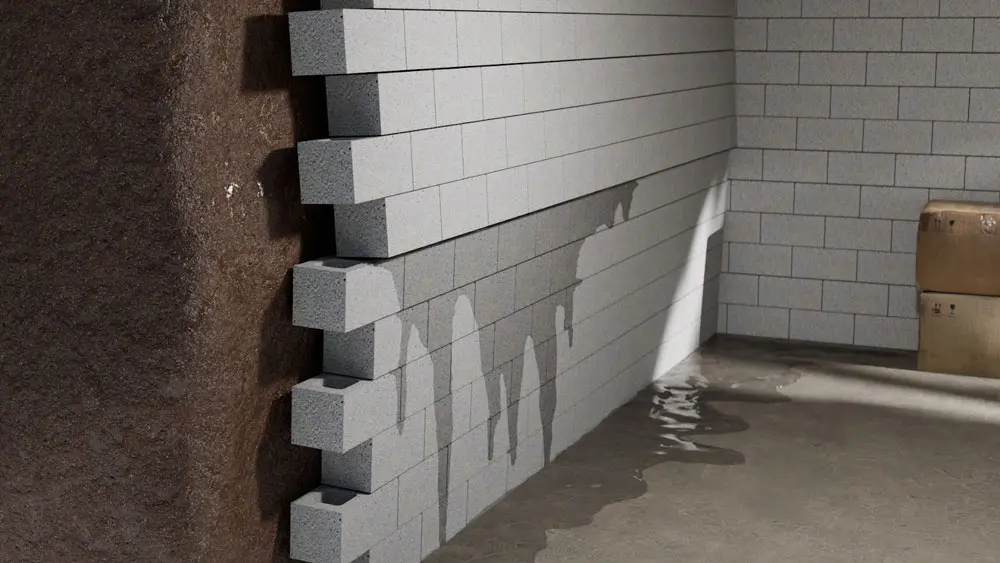
Bowing basement walls are a serious structural issue that many homeowners face, especially in regions with heavy soil movement and moisture fluctuations. When foundation walls begin to curve inward, it is often a sign of sustained pressure from surrounding soil and water buildup. If left unaddressed, this problem can lead to significant structural instability and costly repairs.
Understanding how to prevent this issue is essential for maintaining the safety and value of your home. With the right combination of drainage planning, waterproofing techniques, and structural support, homeowners can reduce the risk of damage and extend the lifespan of their foundation.
This guide explores the causes of bowing basement walls and provides practical, effective strategies to prevent them using proper water management and foundation care.
What Causes Basement Walls to Bow
Bowing walls typically occur when external pressure exceeds the structural capacity of the foundation. One of the primary causes is hydrostatic pressure, which develops when water accumulates in the soil surrounding the foundation. This pressure pushes against basement walls, causing them to shift inward over time.
In areas with expansive soil, moisture plays an even larger role. Soil absorbs water and expands, increasing the force applied to foundation walls. During dry periods, the soil contracts, creating a cycle of movement that weakens the structure.
Freeze and thaw cycles also contribute to the problem. As water in the soil freezes, it expands and increases pressure on the foundation. When it thaws, the soil shifts again, further stressing the walls.
These environmental factors make bowing walls in North Dakota homes a common concern, especially when drainage and waterproofing systems are inadequate.
Early Warning Signs of Bowing Basement Walls
Identifying early signs of wall movement can help prevent more severe damage. One of the first indicators is horizontal cracking along basement walls. These cracks often appear in the middle section of the wall where pressure is greatest.
Another sign is visible inward curvature. Even a slight bow should not be ignored, as it indicates ongoing stress on the structure.
Doors and windows in the basement may also become difficult to open or close due to shifting walls. In some cases, homeowners may notice gaps forming between walls and floors.
Moisture problems often accompany structural issues. Damp spots, water stains, and musty odors may signal that water pressure is contributing to the problem.
Recognizing these warning signs early allows for timely intervention and reduces the risk of extensive repairs.
The Role of Proper Drainage in Preventing Wall Pressure
Effective drainage is one of the most important factors in preventing bowing basement walls. By controlling how water moves around the home, homeowners can significantly reduce the pressure exerted on foundation walls.
Surface drainage is the first line of defense. The ground around the home should slope away from the foundation to prevent water from pooling near basement walls. Proper grading ensures that rainwater and snowmelt flow away from the structure.
Gutters and downspouts also play a critical role. They should direct water several feet away from the home to prevent soil saturation near the foundation. Regular maintenance is essential to keep these systems functioning properly.
Subsurface drainage systems provide additional protection. These systems collect water from the soil and redirect it away from the foundation, reducing hydrostatic pressure. When designed correctly, they help maintain consistent soil conditions around the home.
In regions prone to bowing walls North Dakota conditions, combining surface and subsurface drainage methods is essential for long term protection.
Waterproofing Techniques That Strengthen Basement Walls
Waterproofing complements drainage by creating a barrier that prevents moisture from entering the foundation. Together, these strategies reduce both water intrusion and external pressure.
Exterior waterproofing is one of the most effective methods. It involves applying protective coatings to foundation walls and installing membranes that block water from penetrating the structure. This approach addresses the problem at its source by stopping water before it reaches the wall.
Interior waterproofing focuses on managing water that enters the basement. This includes installing drainage channels and sump pumps to remove water quickly and efficiently.
Sealing cracks and joints is another important step. Even small openings can allow water to enter and contribute to pressure buildup. Proper sealing helps maintain a strong and watertight structure.
When combined with effective drainage, waterproofing provides a comprehensive solution for preventing structural damage.
How Concrete Adjustment Supports Structural Stability
Uneven or sunken concrete around a home can contribute to poor drainage and increased pressure on basement walls. When surfaces such as driveways or walkways settle, they may direct water toward the foundation instead of away from it.
Concrete lifting is a valuable technique for correcting these issues. By raising and leveling sunken concrete, this method helps restore proper water flow and prevents accumulation near the foundation.
In addition to improving drainage, concrete lifting enhances safety by eliminating uneven surfaces that can pose tripping hazards. It also contributes to the overall stability of the surrounding structure.
Integrating concrete adjustment with drainage and waterproofing strategies creates a more effective system for protecting basement walls.
Reinforcement Options for At-Risk Walls
In cases where basement walls have already begun to bow, reinforcement may be necessary to prevent further movement. Several methods are available, depending on the severity of the problem.
Wall anchors are commonly used to stabilize bowing walls. These anchors are installed in the soil outside the foundation and connected to the wall, providing resistance against inward pressure.
Steel beams can also be installed along the interior of the wall to provide additional support. These beams help distribute pressure evenly and prevent further bending.
Carbon fiber reinforcement is another option for strengthening walls. This method involves applying high strength materials to the surface of the wall to increase its resistance to pressure.
While these solutions address structural issues, they should always be combined with proper drainage and waterproofing to prevent the problem from recurring.
Maintenance Practices to Prevent Future Issues
Ongoing maintenance is essential for keeping basement walls in good condition. Regular inspections help identify early signs of damage and allow homeowners to address issues before they escalate.
Checking gutters and downspouts ensures that water is being properly directed away from the home. Cleaning these systems regularly prevents blockages that could lead to overflow and soil saturation.
Monitoring the condition of the soil around the foundation is also important. Changes in grading or soil composition can affect drainage and increase pressure on basement walls.
Maintaining consistent indoor humidity levels helps reduce moisture related issues inside the basement. Proper ventilation and dehumidification can create a healthier environment.
By staying proactive, homeowners can reduce the risk of structural problems and extend the life of their foundation.
Bowing basement walls are a serious issue that requires careful attention and proactive prevention. By understanding the causes and implementing effective solutions, homeowners can protect their properties from long term damage.
Strategies such as proper drainage, comprehensive waterproofing, and techniques like concrete lifting work together to reduce pressure on foundation walls and maintain structural stability. In areas where bowing walls in North Dakota challenges are common, these measures are especially important.
Taking the time to invest in prevention not only protects the home but also provides peace of mind. With the right approach, homeowners can ensure that their basement remains strong, dry, and secure for years to come.