Outdoor LED Lighting Ideas for Homes and Commercial Spaces

Good exterior lighting does two jobs at once. It makes a place look welcoming, and it makes it safer to use after dark. With LED Lighting, you can light up a balcony, terrace, garden, or storefront without adding a big load to your electricity bill. You also get more design freedom because LEDs come in many shapes, beam angles, and colour temperatures.
If you are planning outdoor LED lighting, focus on how people move through the space and what you want them to notice first. Once that is clear, the right fixtures become easier to choose.
Light the Entry First, Not the Whole Building
Your main gate, porch, and entrance door deserve the most attention. A well-lit entry instantly improves safety and makes guests feel comfortable.
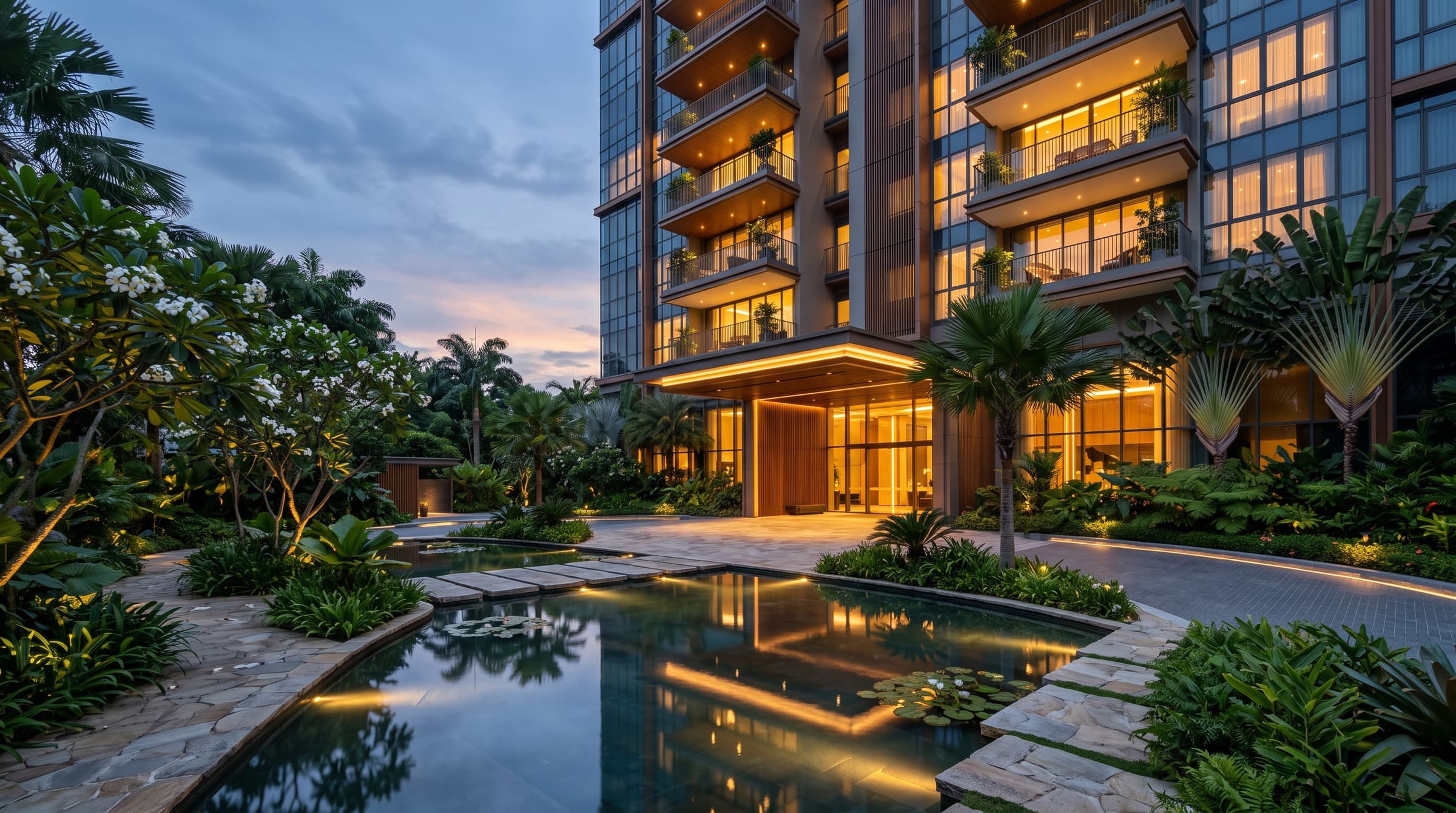
For homes, try warm wall lights on either side of the main door. Add a focused light near the nameplate or doorbell, so it is easy to find at night. For commercial spaces, use brighter, glare-controlled fixtures that light the full approach path. Cafés and clinics benefit from a clearly lit entrance because people do not like walking into dark corners.
Use LED Lighting here because it switches on instantly and works well with timers and sensors.
Create Pathway Lighting That Guides People
Path lights are not about brightness. They are about direction. For independent homes, line the walkway with short bollards or low-level spike lights. Keep spacing consistent so the path looks neat and does not create alternating bright and dark patches.
For apartment societies, use evenly spaced lights along internal roads, parking edges, and garden paths. It reduces trips and falls, especially for children and senior citizens. In commercial properties, pathway lighting helps with crowd movement and improves the overall look without needing high-watt floodlights.
If your pathways get muddy during the monsoon, choose fixtures that can handle water splashes and regular cleaning.
Use Wall Washing to Upgrade Bland Exteriors
Plain compound walls and building façades can look premium with the right beam. Wall washers spread light evenly across a surface and highlight textures like stone cladding, brick, or grooves in cement finishes.
For homes, use subtle lighting on one feature wall, not every wall. It keeps the look clean. For commercial spaces, you can wash a larger area, especially if the property faces a main road. Showrooms, hotels, and restaurants often use this technique to stand out without using harsh lighting.
Plan this with outdoor LED lighting fixtures that offer the right angle. A narrow beam can create streaks, while a wider beam gives a smoother finish.
Add Step, Deck, And Perimeter Lights for Safety
Steps and level changes cause the most accidents at night. Stair lights and recessed step lights solve that problem without flooding the whole area.
For homes with terraces, add low-level lights around the edge so people can see boundaries clearly. For commercial buildings, use step lights at entry stairs, ramps, and fire exit routes. If your property has a deck, outdoor seating, or a lawn edge, small perimeter lights help people walk confidently without spoiling the ambience.
This is one of the most practical uses of LED Lighting, especially when you want light close to the ground with minimal glare.
Highlight Trees, Plants, And Signage the Right Way
Landscape lighting looks best when it feels natural. Use uplights at the base of a tree to create depth. Use spike lights to highlight a flower bed or a small palm. Avoid pointing lights straight into living room windows or neighbouring balconies.
For businesses, treat signage as a separate element. A board should be readable from a distance without blinding people. Instead of over-bright lights, use a clean beam and proper placement. If your sign is the main identity of the store, invest in quality illumination rather than adding random lights around it.
If you are working with an Outdoor Light plan for a café or retail frontage, balance signage brightness with seating comfort. Customers should not feel like they are sitting under a spotlight.
Choose the Right Colour Temperature and Controls
Colour temperature changes the mood instantly. Warm white feels calm and suits homes, terraces, and outdoor dining. Neutral white feels cleaner and often works better for entrances, pathways, and office exteriors. Extra cool-toned white can look harsh if you use it everywhere.
Controls make a big difference in running cost and convenience:
- Use photocell sensors for dusk-to-dawn areas like parking and gates.
- Use motion sensors for side passages and low-traffic corners.
- Use timers for garden and façade lighting so it switches off automatically.
When you use LED lighting with proper controls, you avoid the common problem of lights staying on all night for no reason.
Do Not Ignore Outdoor Ratings and Installation Quality
Exterior fixtures face dust, heat, rain, and insects. Select fittings built for outdoor use and insist on neat installation. Waterproof joints, proper earthing, and correct cable routing matter more than fancy designs. Also, plan for maintenance. You should be able to access fixtures for cleaning and replacement without breaking tiles or opening walls.
With LED Lighting, you typically get long life, but only when the fixture quality and installation are solid.
Summing Up
Great outdoor lighting does not mean more lights. It means better placement and better control. Start with the entry, guide movement with pathway lights, add depth with wall washing, and highlight landscape and signage with restraint. Done well, outdoor LED lighting makes both homes and commercial spaces safer, more usable, and far more inviting after sunset.