The Complete Divebomb Hunting Setup for Maximum Success in the Field
Introduction to Divebomb Hunting
Divebomb hunting is one of the most exhilarating forms of waterfowl hunting. It’s fast, tactical, and relies on a perfect setup to bring birds in for the shot. The action comes quickly, which means your gear and techniques need to be top-notch. In this guide, we’ll walk you through every step of setting up a successful divebomb hunting experience—from selecting the right gear to perfecting your technique.
The Importance of a Complete Hunting Setup
When it comes to divebomb hunting, having a comprehensive setup isn’t just beneficial; it’s necessary. Unlike other forms of hunting, divebomb hunting demands precision, stealth, and speed. A complete setup ensures you’re ready for everything the field throws your way.
Understanding Divebomb Hunting Gear
Every piece of gear in a divebomb setup plays a critical role. Whether you’re choosing decoys, calls, or clothing, it’s essential that each component works seamlessly together. The right gear doesn’t just improve your chances; it maximizes them, giving you the tools to stay hidden, attract birds, and ensure comfortable, successful hunts.
Essential Gear for Your Divebomb Hunting Setup
For a truly successful divebomb hunt, these key pieces of gear are indispensable:
Decoys – Setting the Scene
Divebomb decoys are designed to resemble real birds in flight or at rest. The most effective decoys are lightweight, durable, and easy to set up in the field. They should also be designed for motion—either through wind or other means—to create the illusion of real, moving birds. To achieve maximum realism, be sure to use decoys that are specifically designed for divebomb hunting, as they provide the most effective attraction to incoming birds.
Calls – Luring in the Birds
The art of calling is just as important as decoy placement in divebomb hunting. Whether you’re using duck or goose calls, your goal is to mimic the sounds of birds in distress or during their migratory patterns. Choose calls that are built to withstand outdoor conditions and give you clear, realistic tones. Practice regularly to get the timing and technique right—your calls should be spaced just right to grab the birds’ attention and lure them into range.
Clothing – Blending In and Staying Comfortable
Good camouflage clothing is essential in divebomb hunting. You need to blend into your surroundings to remain undetected by your prey. Look for high-quality, breathable fabrics that will keep you cool in warm weather and warm in colder conditions. Additionally, ensure that your clothing offers flexibility and comfort for long hours in the field. Waterproof outer layers can also be invaluable for hunting in wet conditions.
Boots and Waders – Comfort and Durability
Hunting involves a lot of movement, and often, it means traversing muddy, marshy ground. Invest in durable waders and boots designed for waterfowl hunters. Your boots should be waterproof, comfortable, and able to provide traction on slippery surfaces. Waders should fit snugly, without sacrificing mobility or warmth.
Optics – Seeing the Action Before It Happens
Good optics are vital for scouting and ensuring the birds are within shooting range. Binoculars or spotting scopes are your best bet when it comes to spotting distant flocks and tracking their movements. Choose a pair with a wide field of view, clear resolution, and durable construction to withstand the elements.
Building the Perfect Divebomb Hunting Spread
Now that you’ve got the gear, it’s time to set up. The right spread can mean the difference between a successful hunt and a long day in the field.
Arranging Decoys for Maximum Impact
The placement of your decoys will dictate whether birds land in your spread. A successful arrangement mimics natural bird behavior, with some decoys appearing to feed and others resting. Arrange them in a way that makes your setup look as lifelike as possible, ensuring that the birds feel comfortable and land within range.
Using Calls Effectively to Draw Birds In
Calls should be used strategically and sparingly. Over-calling can alarm birds, while under-calling can leave them uninterested. Use your calls to create a realistic sequence of sounds, alternating between feeding, distress, and flight calls. Remember, your calls are the final nudge that might bring birds into your decoy spread.
Hides and Blinds – Staying Hidden While Hunting
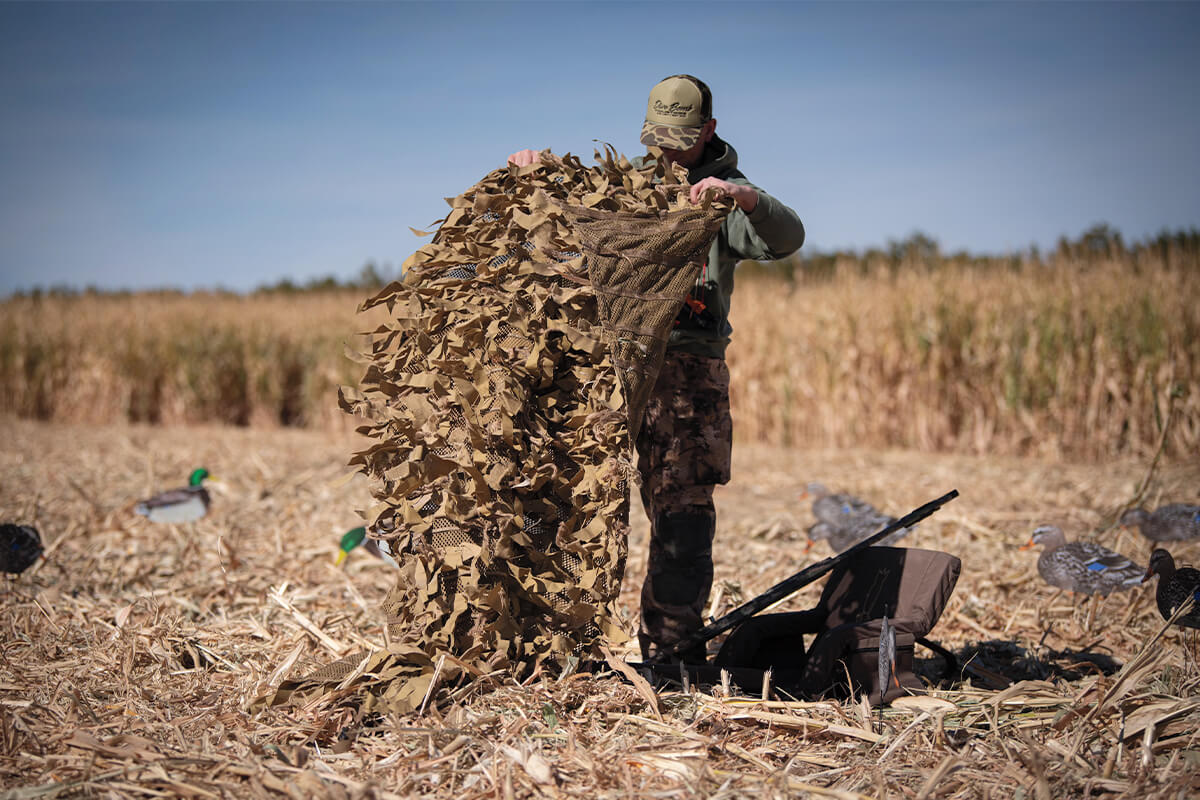
When it comes to divebomb hunting, concealment is crucial. A well-placed blind or hide will keep you out of sight while providing a comfortable shooting position. Whether you’re using a traditional layout blind or a portable, collapsible option, ensure that it blends into the environment and offers sufficient cover to avoid detection.
Safety and Ethics in Divebomb Hunting
Like any form of hunting, divebomb hunting requires safety and ethical consideration.
Follow Legal Regulations
Always hunt within the legal regulations of your area. This includes respecting hunting seasons, bag limits, and any special rules that apply to divebomb hunting. Legal compliance ensures that the sport remains sustainable and enjoyable for future generations.
Responsible Hunting Practices
Practice ethical hunting by being mindful of your surroundings and ensuring you do not disturb the environment. Be respectful of wildlife and always follow best practices to preserve the habitat you’re hunting in.
Expert Tips for Divebomb Hunting Success
Maximize your chances of success in the field by considering these expert tips:
Optimal Time and Weather Conditions
Understanding the best times to hunt and the ideal weather conditions can make a big difference in your success rate. Early mornings or late afternoons, coupled with overcast skies, are generally the best conditions for divebomb hunting.
Recognizing Flight Patterns and Bird Behavior
Being able to recognize the flight patterns of birds will give you a distinct advantage. Pay attention to how birds respond to environmental factors such as wind, time of day, and food availability.
Where to Get Your Divebomb Hunting Gear
When it’s time to purchase gear, you want to be sure you’re shopping from a trusted source.
Divebomb Industries: Your Ultimate Source
For all your divebomb hunting needs, Divebomb Industries offers high-quality gear that will help you succeed in the field. From decoys to calls, they have everything you need for a professional-level hunt.
Other Reputable Hunting Gear Suppliers
In addition to Divebomb Industries, there are many other retailers that offer reliable gear for the discerning hunter. Be sure to explore options and find gear that suits your specific hunting needs and budget.
Frequently Asked Questions (FAQs)
1. What is Divebomb Hunting?
Divebomb hunting is a fast-paced style of waterfowl hunting where decoys and calls are used to attract birds into shooting range. It’s a high-energy method that requires precise gear and technique.
2. How Do I Set Up My Divebomb Hunting Spread?
The spread should be arranged to mimic natural bird behavior, using decoys and calls placed strategically to attract birds.
3. What Gear Do I Really Need for Divebomb Hunting?
Essential gear includes decoys, calls, camouflage clothing, waders, boots, and optics. Having the right gear is crucial for a successful hunt.
4. How Do I Choose the Best Calls for My Setup?
Select calls that are specific to the species you’re hunting. Practice using them to ensure realistic sound and timing.
5. What Should I Look for in Decoys?
Look for decoys that are lightweight, durable, and designed for realistic motion. They should blend into the environment and mimic real bird behavior.
6. Are There Any Safety Tips for Divebomb Hunting?
Always follow local hunting regulations, practice firearm safety, and ensure you are properly concealed to avoid detection.
Conclusion: Perfect Your Divebomb Hunting Setup
A successful divebomb hunting setup requires the right gear, proper planning, and understanding of the birds. With these essentials and expert tips, you’ll be well on your way to a memorable and successful season. Don’t forget to visit Divebomb Industries for all your gear needs!