Breaking Down Barriers: How Sliding Glass Doors Maximize Office Efficiency and Flow
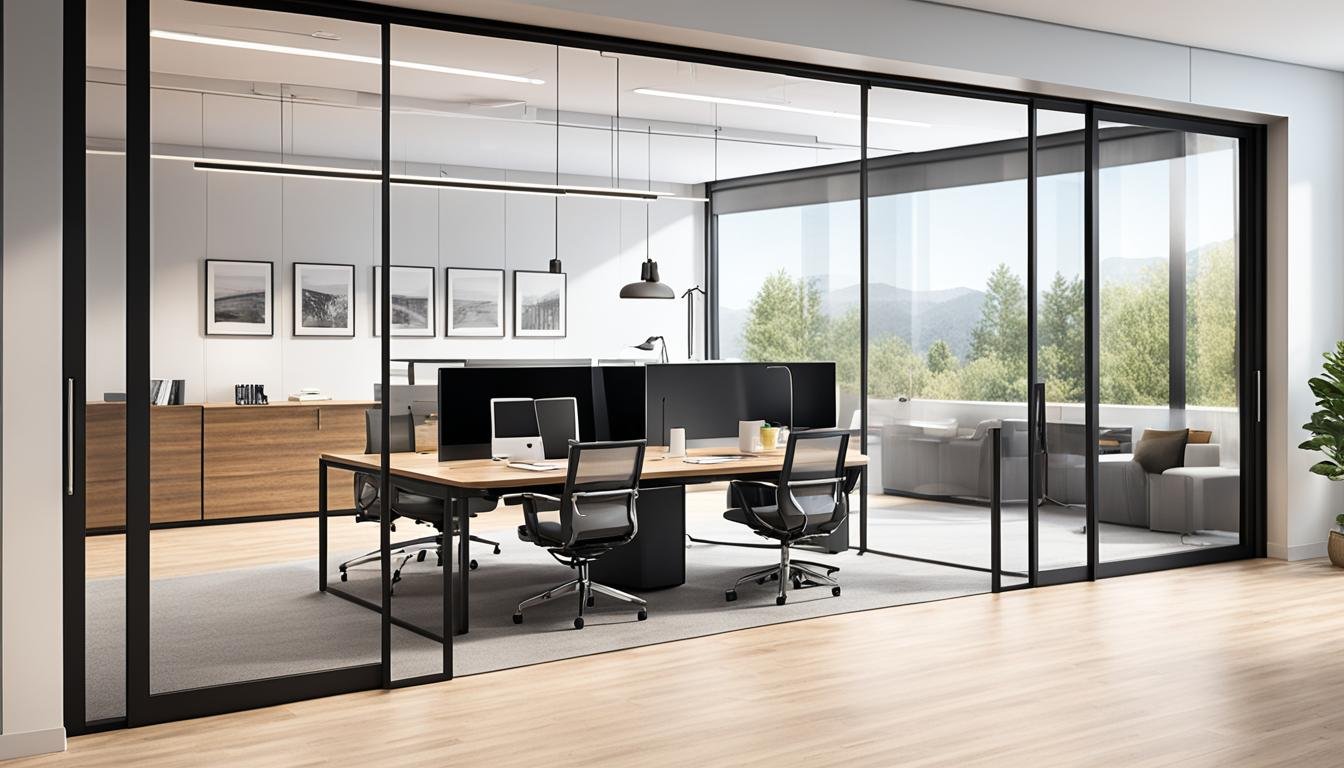
The modern workspace is undergoing a quiet revolution, moving away from the rigid cubicle farms of the past and toward environments that prioritize flexibility, collaboration, and wellness. As office design evolves, the architectural elements used to divide space are receiving significant scrutiny. Traditional solid walls, while providing privacy, often create dark, segmented, and isolating environments that hinder workflow and limit natural light. Sliding glass doors have emerged as a premier solution to these challenges, offering a way to segment the office without sacrificing the openness that encourages productivity. By blending functionality with aesthetic appeal, these doors are redefining how companies utilize their square footage to drive operational efficiency.
The Synergy of Privacy and Open Concept Design
One of the greatest challenges in contemporary office design is balancing the need for an open, collaborative atmosphere with the requirement for private focus areas. The traditional approach of using drywall to create meeting rooms results in a compartmentalized layout that can feel claustrophobic and disconnected. Sliding glass doors provide the perfect hybrid solution. They allow a room to be completely sealed for private conversations, confidential meetings, or focused work, maintaining acoustic privacy when necessary.
However, unlike a solid door, a glass door maintains a visual connection to the rest of the office. When the meeting is over, the door can be slid open, instantly integrating the space back into the larger office environment. This flexibility allows a business to maximize the utility of its floor plan, as rooms are not permanently closed off but can be adapted to the immediate needs of the staff. This seamless transition between private and public space is essential for a dynamic workflow, allowing teams to move quickly from focused work to collaborative sessions without physically moving to a different part of the building.
Maximizing Natural Light and Employee Well-Being
The impact of natural light on employee productivity and mental health is well-documented, yet many office spaces still rely heavily on artificial lighting. Drywall partitions block light from reaching the interior of the building, creating dark corridors and forcing employees to work under harsh fluorescent lights. Sliding glass doors act as conduits for natural light, allowing sunlight to penetrate deep into the office footprint.
By utilizing custom glass partitions and sliding doors manufactured in Los Angeles, a company can ensure that even meeting rooms located in the center of the floor plan feel bright and inviting. This reduction in reliance on artificial lighting not only improves the overall ambiance but also results in significant energy savings. More importantly, exposure to natural light has been shown to reduce eye strain, decrease headaches, and improve employee mood and concentration. By investing in glass doors, a business is investing in the health of its workforce, which directly correlates to higher levels of engagement and efficiency.
Enhancing Brand Image and Professional Aesthetics
The physical layout of an office sends a powerful message to employees, clients, and prospective hires about a company’s culture and values. Solid walls and dark hallways can make a business appear antiquated, secretive, and closed-off. Conversely, a layout featuring sliding glass doors suggests transparency, modernity, and a commitment to collaboration.
Glass doors provide a sleek, minimalist aesthetic that looks professional and clean. They allow visitors to immediately see the activity and energy within the office, creating a welcoming and transparent atmosphere. For clients, this transparency builds trust, showing that the company has nothing to hide and is confident in its operations. For prospective employees, a bright, open workspace is a significant draw, aiding in talent acquisition and retention. By utilizing glass doors, a company transforms its physical space into a marketing tool that reflects its forward-thinking brand identity.
Conclusion
The transition to a more efficient office space is not merely about removing walls; it is about creating an environment that adapts to the needs of the people working within it. Sliding glass doors represent a critical investment in the infrastructure of productivity. By offering the perfect balance between privacy and openness, maximizing natural light, and optimizing the utility of every square foot, these doors help companies create a work environment that encourages collaboration while respecting the need for focus. In an era where efficiency and employee well-being are inextricably linked, sliding glass doors are not just an architectural choice; they are a strategic tool for driving business success.