Preserving the Shield: Essential Maintenance Tips for Fiber Cement Cladding Systems
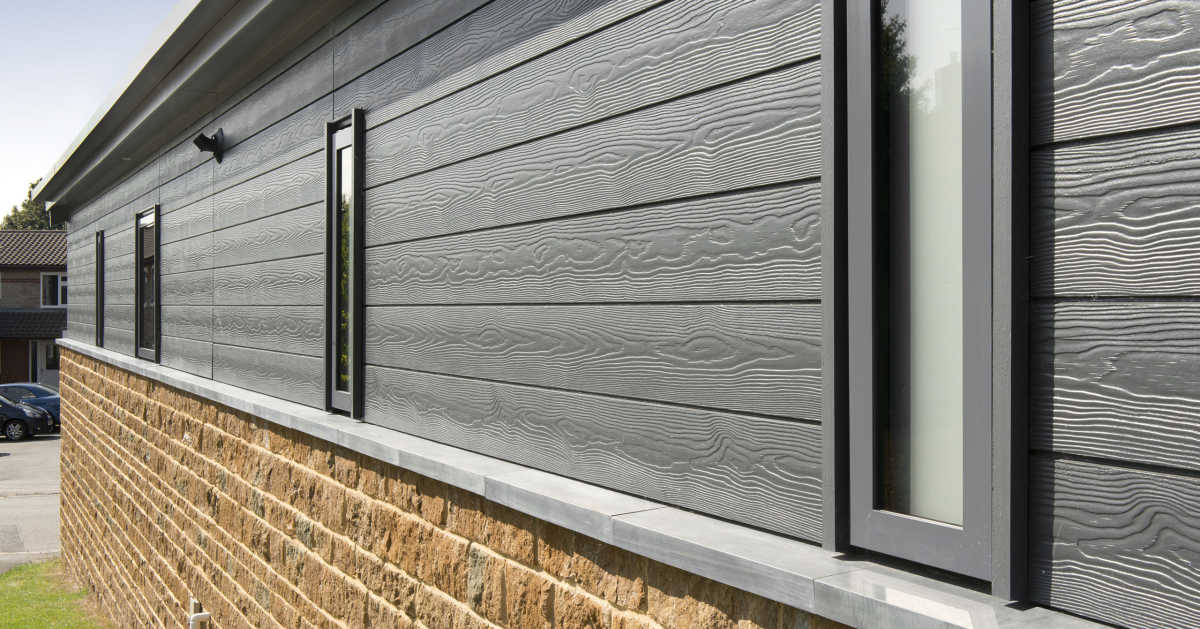
Architectural Fiber Cement Cladding Systems has earned its reputation as one of the most durable and resilient building materials available to homeowners today. Composed of a robust blend of cement, sand, and cellulose fibers, this composite material is engineered to withstand harsh weather, resist rot, and repel pests. However, the term low maintenance does not mean no maintenance. While fiber cement is designed to last for many decades, its longevity and aesthetic appeal depend heavily on a consistent and proactive care routine. By understanding the specific needs of this material and implementing a regular inspection schedule, property owners can protect their investment and ensure their home remains both beautiful and structurally sound for the long haul.
The Importance of Regular Visual Inspections
The first line of defense in maintaining fiber cement cladding is a thorough visual inspection performed at least twice a year. Ideally, these walk-throughs should take place in the spring and autumn to assess any damage that may have occurred during extreme temperature shifts or heavy storm seasons. During these inspections, homeowners should look closely for signs of hairline cracks, chips, or loose planks. Early detection of these minor issues prevents moisture from penetrating the substrate, which is the primary cause of long-term structural degradation.
It is also vital to inspect the areas where the cladding meets other building elements, such as window frames, door casings, and rooflines. These transition points are often the most vulnerable to water intrusion. If you notice that the gaps between the planks or around the trim have widened, it is a signal that the building may have settled or that the environmental conditions have caused slight shifts. Identifying these small changes early allows for simple, localized repairs that prevent more extensive and expensive remediation projects in the future.
Mastering the Art of Gentle Cleaning
Over time, any exterior surface will accumulate a layer of dust, pollen, dirt, and potentially mildew. For fiber cement, keeping the surface clean is not just about curb appeal; it is about preventing the buildup of organic matter that can trap moisture against the finish. The best approach for cleaning fiber cement is a gentle one. A soft-bristled brush or a lint-free cloth combined with a solution of mild dish soap and lukewarm water is usually sufficient to remove most environmental debris.
When cleaning, it is important to work in small sections and rinse the area thoroughly with a garden hose from the top down. One of the most common mistakes homeowners make is using a high-pressure power washer. The intense force of a pressure washer can strip the paint, damage the texture of the fiber cement, and drive water deep behind the planks into the wall cavity. A low-pressure spray from a standard garden hose is much safer and highly effective for routine maintenance. If you encounter stubborn mildew or algae, particularly on the shaded sides of the home, a specialized house wash designed for siding can be used, provided it is applied according to the manufacturer’s safety instructions.
Maintaining the Integrity of Caulking and Sealants
Caulking is the unsung hero of a fiber cement cladding system. It acts as a flexible seal that prevents water, wind, and insects from entering the joints and gaps of the exterior envelope. Over years of exposure to UV rays and temperature fluctuations, caulk can become brittle, crack, or pull away from the edges. Maintaining these seals is perhaps the most critical task in extending the lifespan of the cladding. During your bi-annual inspection, pay close attention to the vertical joints and the perimeter of all penetrations.
If you find failing caulk, it should be removed and replaced promptly with a high-quality, permanently flexible sealant. Many manufacturers recommend specific types of silicone or polyurethane caulk that are compatible with fiber cement. Ensuring that these joints remain watertight prevents the edges of the planks from absorbing moisture, which can lead to swelling or delamination over time. A well-sealed home is not only more durable but also more energy-efficient, as it reduces the amount of unconditioned air leaking into the living space.
Conclusion
Maintaining a fiber cement cladding system is a straightforward process that yields significant rewards in terms of home value and structural integrity. By committing to regular inspections, practicing gentle cleaning techniques, and ensuring that sealants and finishes remain intact, homeowners can effectively extend the life of their siding for many decades. This proactive approach turns potential repairs into simple weekend tasks and ensures that the cladding continues to perform its primary function as a durable shield against the world. Ultimately, a little bit of consistent care ensures that the rugged beauty of fiber cement remains a hallmark of your home for as long as you own it.